Designing a modern kitchen goes far beyond choosing finishes or appliances—it is about creating a space that seamlessly supports daily routines while reflecting the personality of the home. A well-planned kitchen design balances aesthetics, efficiency, and durability, ensuring that the space not only looks refined but also performs effortlessly over time. In contemporary homes, the kitchen often extends into social and living spaces, making it one of the most important areas to design thoughtfully.

Kitchen Design Ideas & Inspiration

When exploring kitchen design ideas, the focus in modern homes has shifted toward simplicity, intentionality, and material harmony. Instead of overly decorative spaces, the emphasis is now on clean lines, uncluttered surfaces, and a restrained yet impactful palette. The idea is to create a kitchen that feels calm and cohesive while still being highly functional.
Modern inspiration often draws from a blend of global styles. Minimalist kitchens prioritize hidden storage and seamless cabinetry, creating a sleek and uninterrupted visual flow. Contemporary kitchens introduce subtle contrast through textures and tones, while Scandinavian influences bring warmth through natural wood and soft lighting. Industrial kitchens, on the other hand, celebrate raw materials such as exposed concrete, metal, and stone, offering a more rugged and expressive aesthetic.

The latest kitchen designs also reflect a strong integration of technology and lifestyle needs. Appliances are increasingly built into cabinetry, reducing visual clutter, while finishes such as matte laminates and anti-fingerprint surfaces enhance usability. There is also a growing preference for layered materials—combining wood, stone, and metal—to create depth without overwhelming the space. Ultimately, the best kitchen designs are those that feel timeless yet tailored, allowing the space to evolve with the homeowner's lifestyle.
Kitchen Design Gallery

A well-curated kitchen design gallery serves as a critical tool in the design process, helping homeowners visualize how different ideas translate into real environments. While individual concepts may seem appealing in isolation, seeing them applied in complete spaces allows for a better understanding of proportion, material balance, and spatial flow.
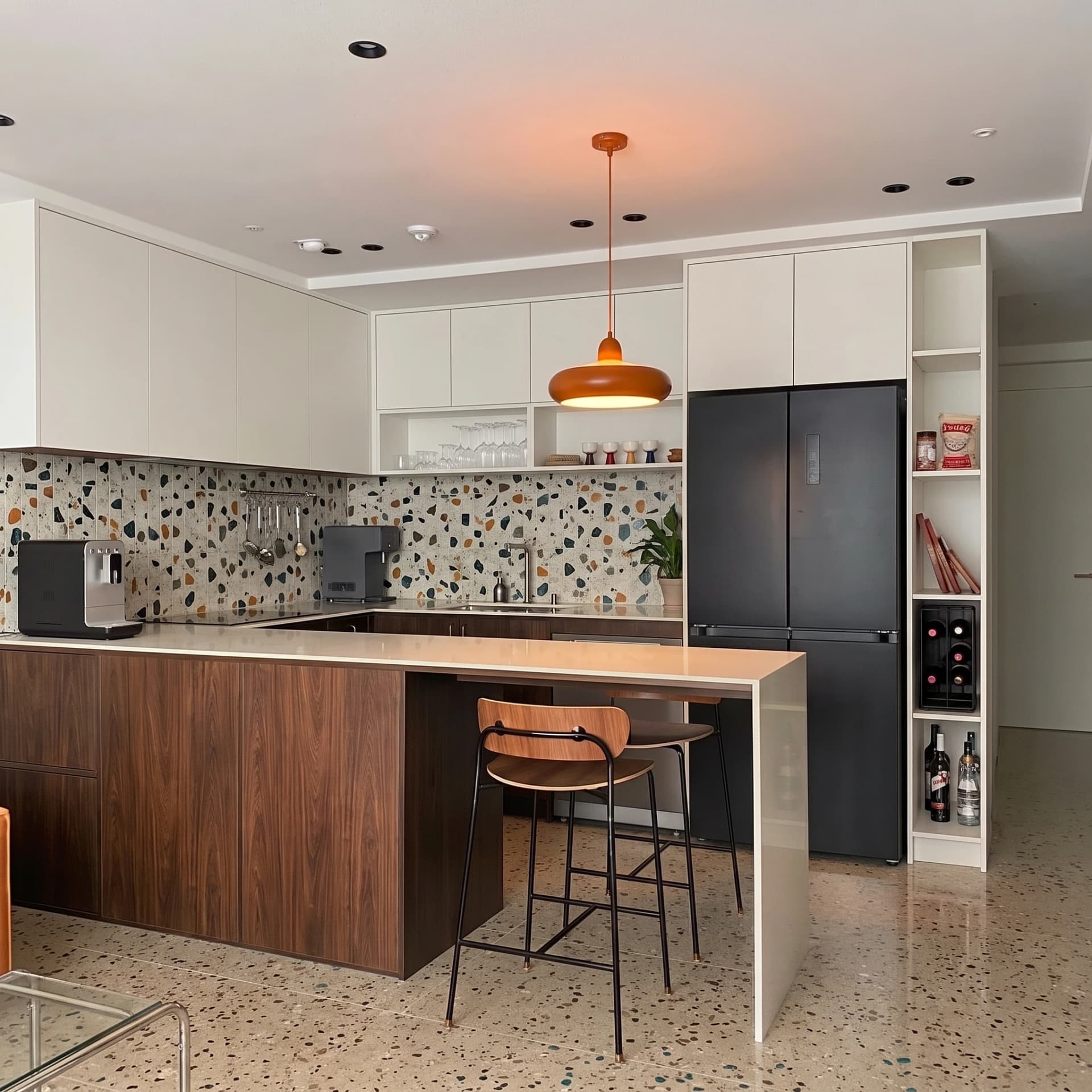
Reviewing kitchen design images and kitchen design pictures can reveal how layouts function in practice. For instance, an L-shaped kitchen often works well in open-plan homes, creating a natural transition between cooking and living areas. A U-shaped layout, by contrast, offers a more enclosed and efficient workspace, particularly suitable for households that prioritize cooking. Galley kitchens demonstrate how even narrow spaces can be optimized through parallel counters, while island kitchens highlight the social potential of the space, allowing for interaction, dining, and preparation within a central hub.

Beyond layouts, galleries also help in understanding how lighting, finishes, and storage solutions come together. Subtle decisions, such as the height of cabinets, the proportion of backsplash areas, or the integration of open shelving—become much clearer when viewed in context. For those seeking region-specific inspiration, exploring Modern Kitchen Designs in Pakistan can provide valuable insights into how global trends are adapted to local lifestyles and materials.
Kitchen Interior Design
A successful kitchen interior design is rooted in functionality, where every element is thoughtfully positioned to support ease of use. One of the most fundamental principles is the work triangle, which connects the sink, stove, and refrigerator. This relationship ensures efficient movement within the kitchen, reducing unnecessary steps and improving overall usability.
Lighting plays an equally important role in shaping the experience of the space. Rather than relying on a single source, modern kitchens use a layered lighting approach. Ambient lighting establishes overall brightness, task lighting focuses on work areas such as countertops, and accent lighting highlights architectural or design features. Together, these layers create a balanced and adaptable environment that responds to different needs throughout the day.

Material selection is another defining aspect of kitchen interiors. Cabinetry, often the most dominant visual element, must strike a balance between durability and aesthetics. Materials such as MDF and plywood are commonly used for their versatility and strength, while finishes like laminate and acrylic provide a wide range of visual options. Countertops, whether in granite, quartz, or marble, contribute significantly to both performance and visual identity.
Equally important is storage planning. A modern kitchen is expected to handle a variety of functions while maintaining a clean appearance. This is achieved through intelligently designed storage systems that maximize every inch of space. Features such as pull-out units, concealed compartments, and well-organized drawers ensure that the kitchen remains efficient without appearing cluttered. In this sense, home kitchen design is as much about hidden functionality as it is about visible aesthetics.
Kitchen Decoration & Styling
While functionality forms the backbone of a kitchen, kitchen decoration design is what brings the space to life. Styling transforms a purely practical environment into one that feels inviting, personal, and connected to the rest of the home. The key lies in achieving a balance—enhancing the space without overwhelming its simplicity.
One of the most impactful elements in kitchen styling is the treatment of walls. A carefully selected backsplash or wall finish can act as a focal point, adding character without disrupting the overall harmony. Materials such as subway tiles, natural stone, or patterned ceramics introduce texture and visual interest, while wooden panels can add warmth and depth.

Color selection plays a crucial role in defining the mood of the kitchen. Modern palettes tend to favor neutral bases—such as whites, greys, and beiges—accented with darker tones or metallic finishes. Combinations like white and wood create a warm yet contemporary feel, while darker schemes using black and concrete tones offer a more dramatic and sophisticated look. These kitchen designs and colours are chosen not only for their visual appeal but also for their ability to remain timeless.
Styling is further enhanced through subtle additions such as indoor plants, curated open shelving, and thoughtfully chosen lighting fixtures. These elements add layers of personality, making the kitchen feel lived-in and complete. Ultimately, the goal is to create beautiful kitchen designs that resonate with the user while maintaining clarity and cohesion.
Common Mistakes to Avoid
Even the most visually appealing kitchens can fall short if fundamental design principles are overlooked. One of the most common issues is poor workflow planning, where the placement of key elements disrupts the natural movement within the space. Similarly, inadequate lighting can make even the most well-designed kitchen feel uncomfortable and impractical.

Another frequent mistake is prioritizing aesthetics over durability. While certain materials may look appealing initially, they may not withstand the daily wear and tear of a kitchen environment. Storage is another area that is often underestimated, leading to cluttered countertops and reduced efficiency over time.
Avoiding these pitfalls requires a balanced approach—one that considers both immediate visual impact and long-term functionality. A successful kitchen is not just designed for how it looks on day one, but for how it performs over years of use.
Frequently Asked Questions About Kitchen Design
What is the best kitchen layout for a modern home?
The best kitchen layout depends on the available space, lifestyle, and how the kitchen will be used. Open-plan homes often benefit from L-shaped or island kitchens because they create a natural connection between cooking and living areas. For smaller homes, galley or single-wall kitchens can maximize efficiency without compromising functionality. Larger homes may benefit from U-shaped kitchens, which provide additional countertop space and storage. A good kitchen design prioritizes movement, accessibility, and the relationship between key areas such as preparation, cooking, and cleaning.
How can I make a small kitchen look bigger?
A small kitchen can feel more spacious through careful planning and visual techniques. Using lighter colors, reflective surfaces, and seamless cabinetry can create an open and airy atmosphere. Maximizing vertical storage, reducing unnecessary visual clutter, and incorporating built-in appliances can also improve the sense of space. Proper lighting is another important factor, as a well-lit kitchen often feels larger and more welcoming.

What materials are best for modern kitchen cabinets?
The ideal cabinet material depends on your budget, maintenance requirements, and desired appearance. MDF is a popular choice due to its smooth finish and versatility, while plywood offers increased durability and resistance to moisture. For premium projects, natural wood can provide a timeless aesthetic. The final selection should consider both appearance and long-term performance, as kitchen cabinets experience daily exposure to heat, moisture, and frequent use.
What are the most popular kitchen design trends today?
Modern kitchen trends focus on creating spaces that are functional, minimal, and visually connected to the rest of the home. Some popular trends include handle-less cabinets, integrated appliances, natural stone textures, warm wood finishes, and neutral color palettes. Homeowners are also increasingly choosing designs that combine multiple materials, such as wood, stone, and metal, to create depth and character.
How important is lighting in kitchen interior design?
Lighting is one of the most important aspects of kitchen interior design because it affects both functionality and atmosphere. A well-designed kitchen should include multiple layers of lighting. General lighting provides overall illumination, task lighting improves visibility in preparation areas, and accent lighting enhances architectural features. Thoughtful lighting design can highlight materials, improve usability, and create a more comfortable environment.

How do I choose the right colors for my kitchen?
Choosing kitchen colors depends on the overall style of your home and the atmosphere you want to create. Neutral tones such as white, beige, and grey provide a timeless foundation, while natural wood introduces warmth and texture. Darker tones such as black, charcoal, or deep green can create a more dramatic and luxurious feel when balanced with appropriate lighting. The best kitchen designs and colours achieve harmony between cabinetry, countertops, walls, and surrounding spaces.
What should be considered before designing a kitchen?
Before starting a kitchen project, it is important to consider how the space will be used daily. Factors such as cooking habits, storage requirements, appliance placement, lighting, ventilation, and maintenance should all influence the design process. A successful kitchen is not only visually appealing but also tailored to the homeowner's routine and long-term needs.
Should I prioritize aesthetics or functionality in kitchen design?
A successful kitchen should achieve a balance between both. A visually impressive kitchen that lacks proper workflow or storage can quickly become inconvenient, while a purely functional kitchen may feel uninspiring. The best approach is to integrate practical solutions into a design that reflects personal style. This creates a space that remains beautiful, comfortable, and efficient for years to come.
Final Thoughts

A well-designed kitchen is a blend of functionality, efficiency, and aesthetics. From exploring new kitchen designs to selecting the right materials and layout, every decision shapes your daily experience.
At BN Haus, we believe kitchens should reflect your lifestyle while maintaining high design standards. With the right approach, your kitchen can become the most powerful and enjoyable space in your home.
Ready to Design Your Kitchen? If you're planning your dream kitchen, the team at BN Haus is here to help you bring your vision to life with tailored, modern solutions.